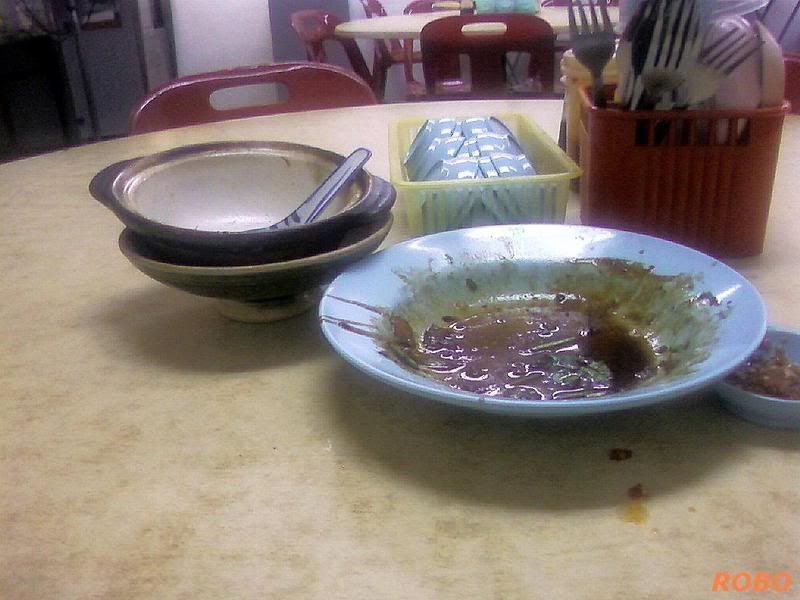
Monday, March 19, 2007

Johor River - Fishing Paradise (Second visit)

After lunch with the gang (Raymond, Stephen, Henry, John & Tommy), Tommy suggest for fish shopping. He intend to get some Kelapu fish and Henry said gonna get some crabs for seafood cooking......
The first visit, please clicks here.

We set our journey with Raymond, Henry, Tommy & me. After about 45 minutes drive, we reach the Johor River again. (N1°34.884' E103°58.702')
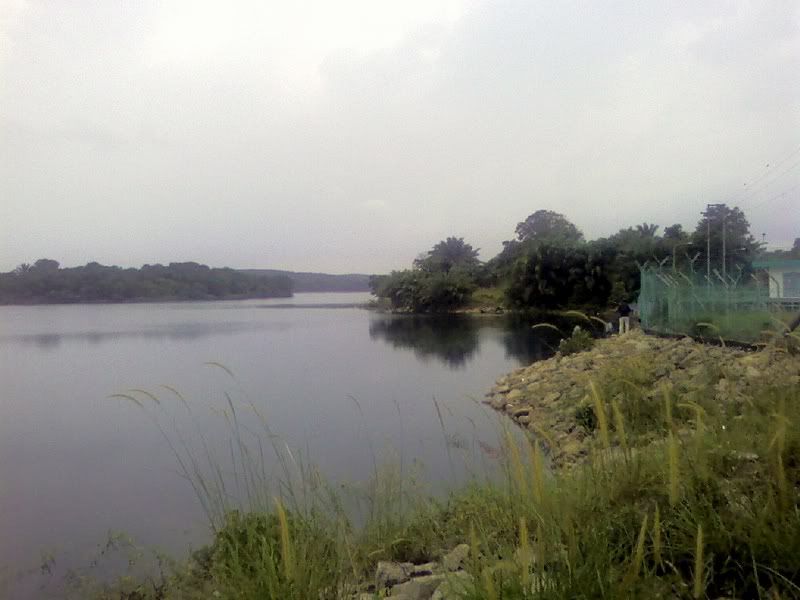
Before we go in to the jetty, there're plenty of people around there fishing.....cos they can catch a lot of fish due to the recent flood that escape out from the fish farm.

It's was cloudy.....sorry cos can't snap a good pictures......
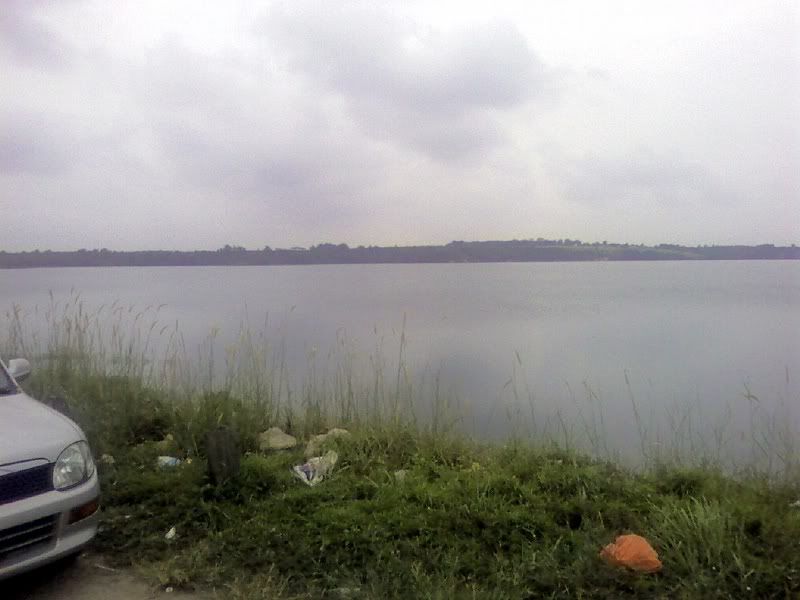


Look at the RED shirt guy.......hmm.....trying to shoot a fish?!
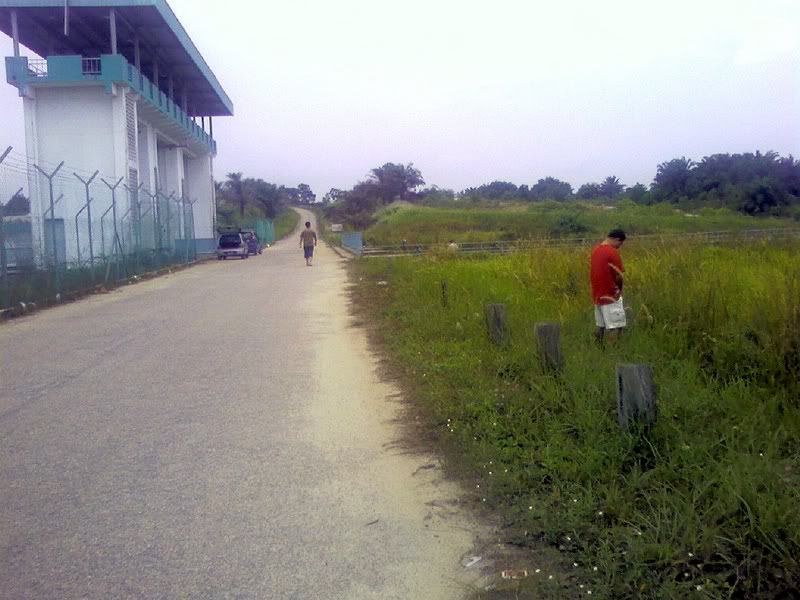


As you can see, so many motors around......
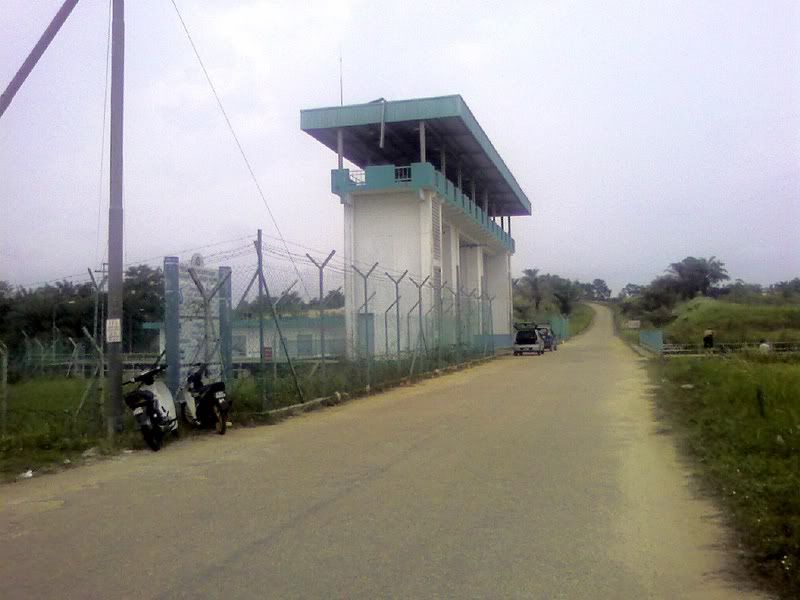


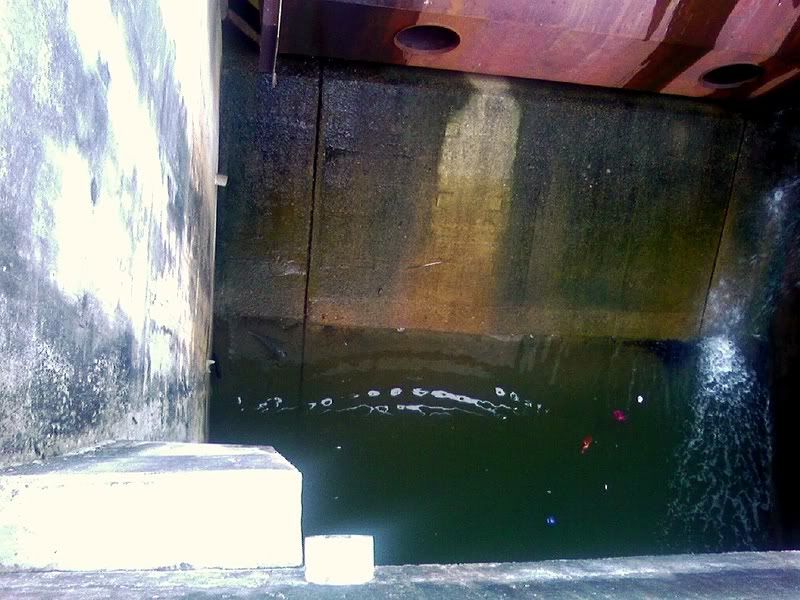
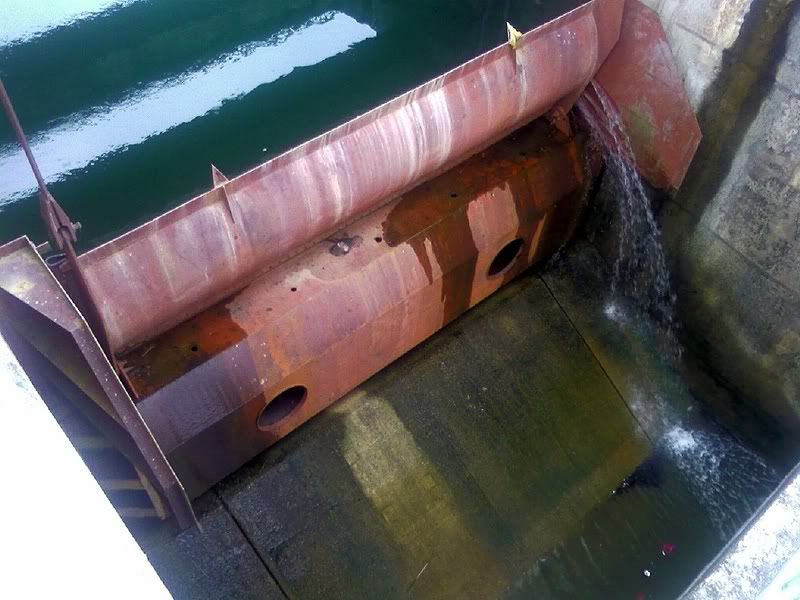
The dam. If you notice that, there are fishes down there......


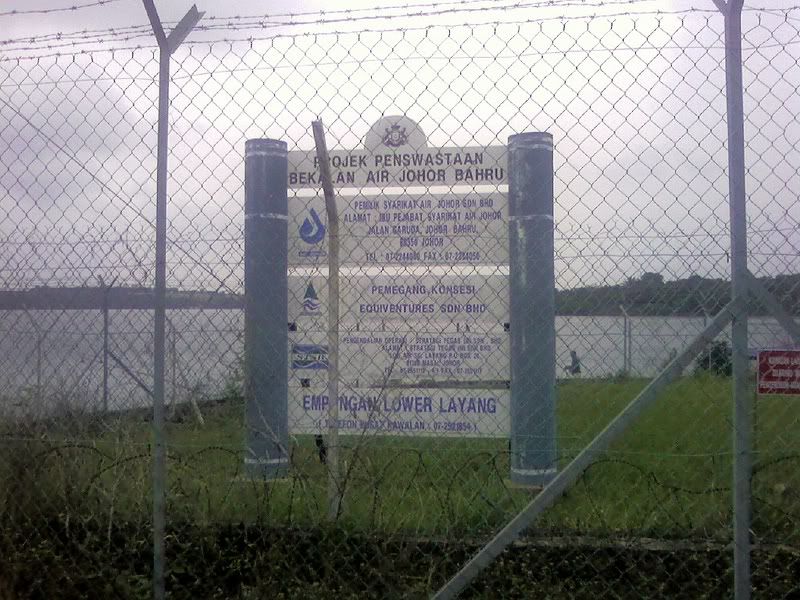
After went close to Johor River side, we notice that it change a lot since the last time we visited. There's a simple coffee shop around that area, and also some sign board.......
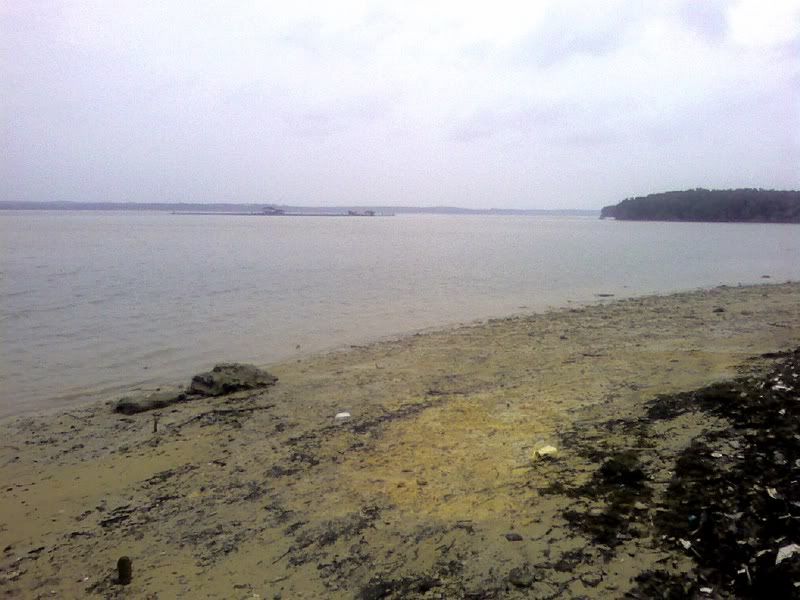

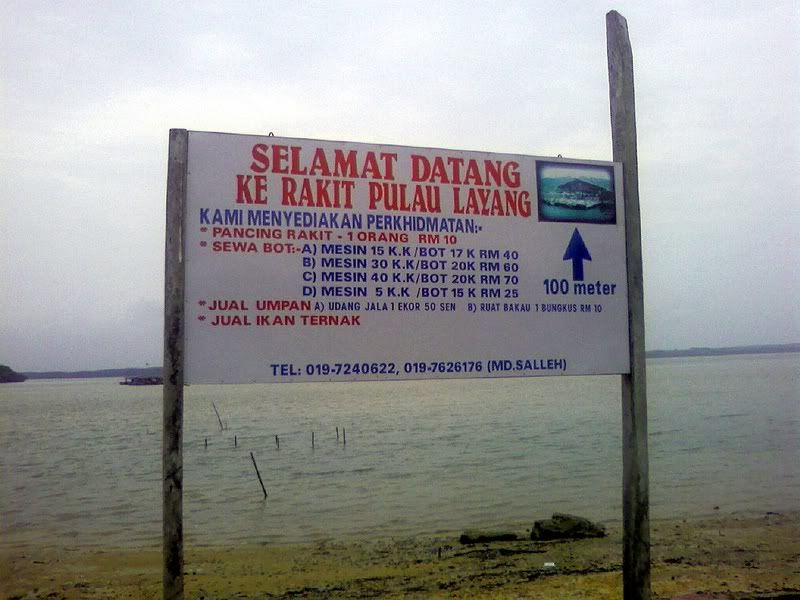

And the coffee shop I mention......
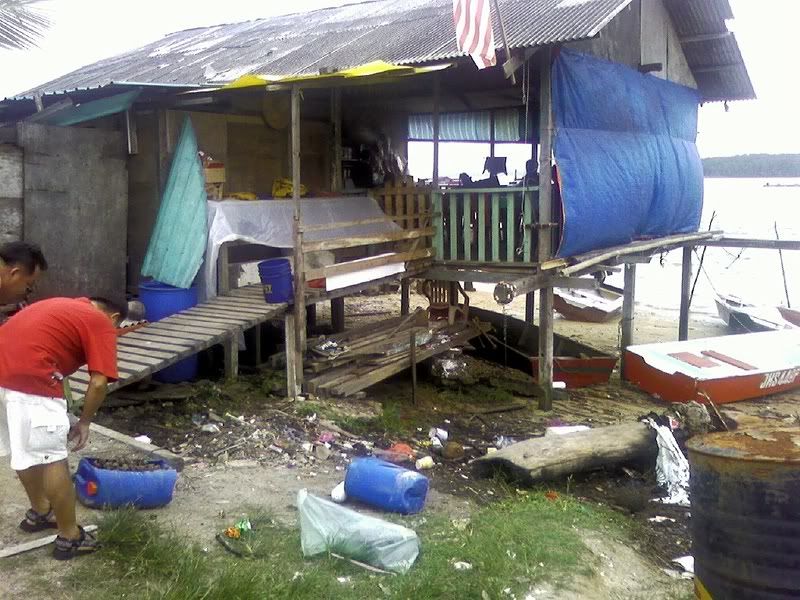

We walk pass this so call coffee shop, there's a small wooden bridge connect to the locals......


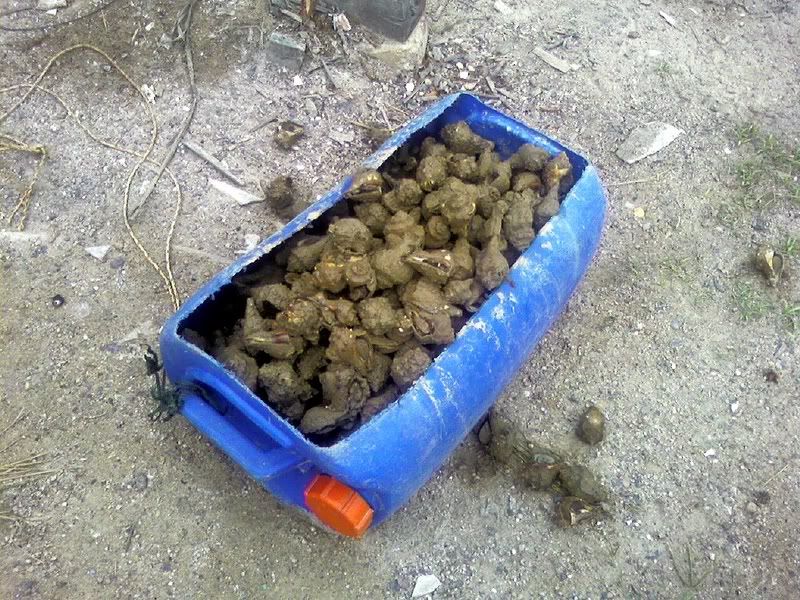
The local call "Gong-gong", one of shell type. Commonly see in local Seafood Restaurant.

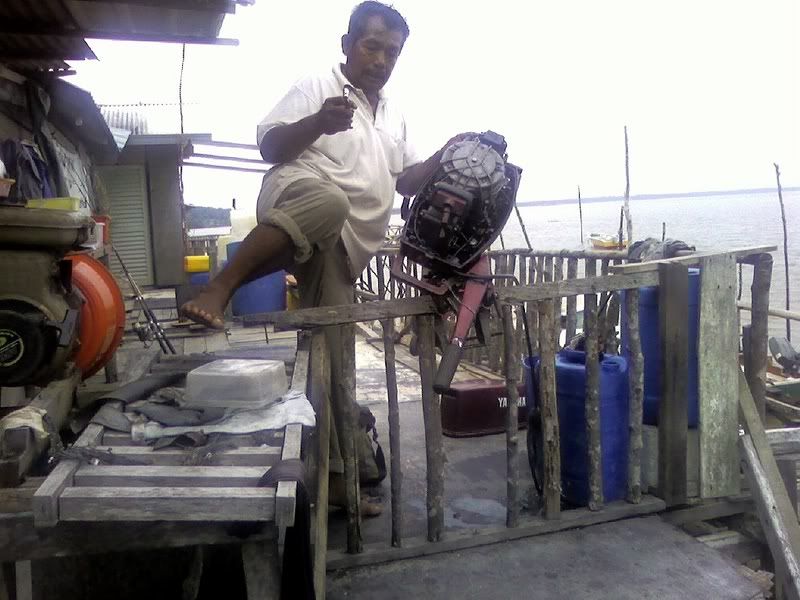
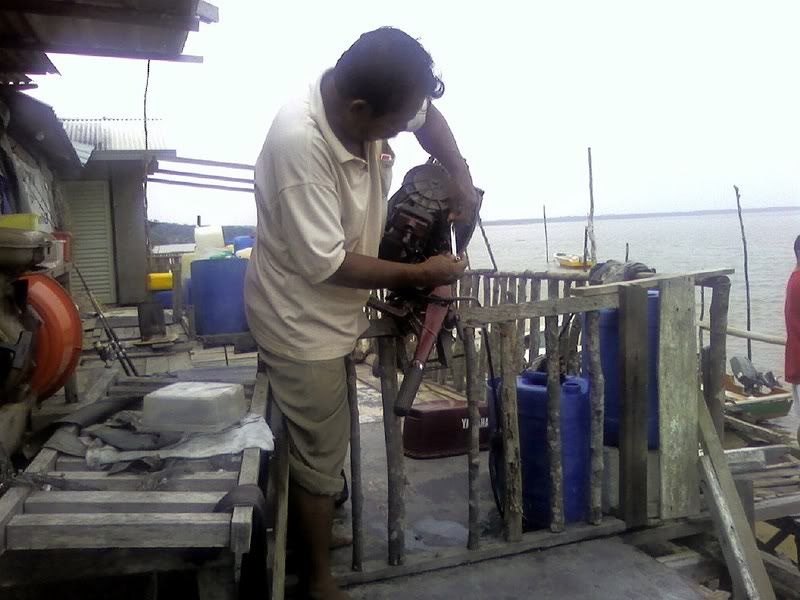
We meet the one of the local there names "Zohari". He was in the middle of service or repairing his machine......friendly guy.

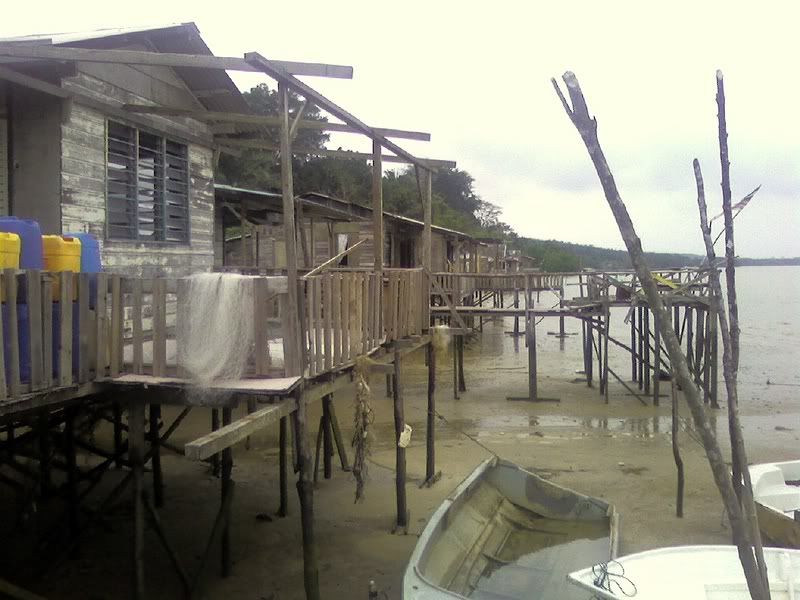
The front view of Mr Zohari house......
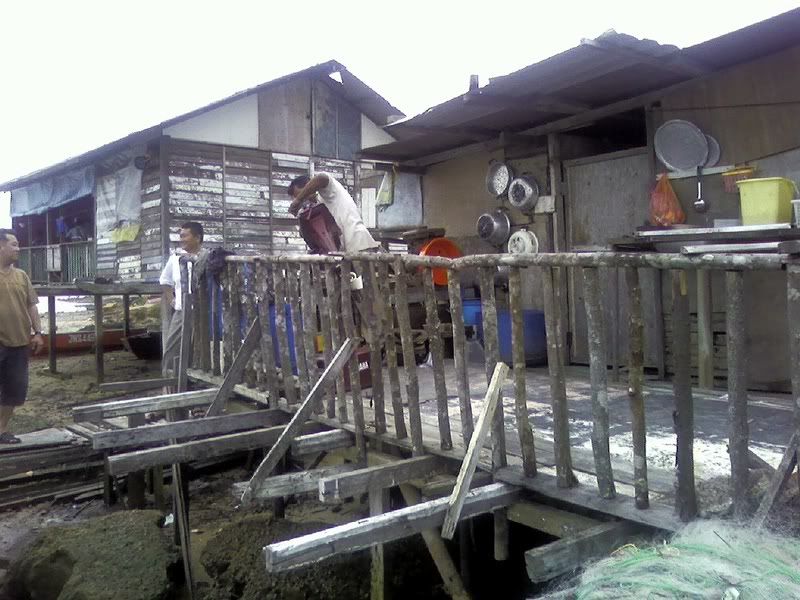


His neighbors........

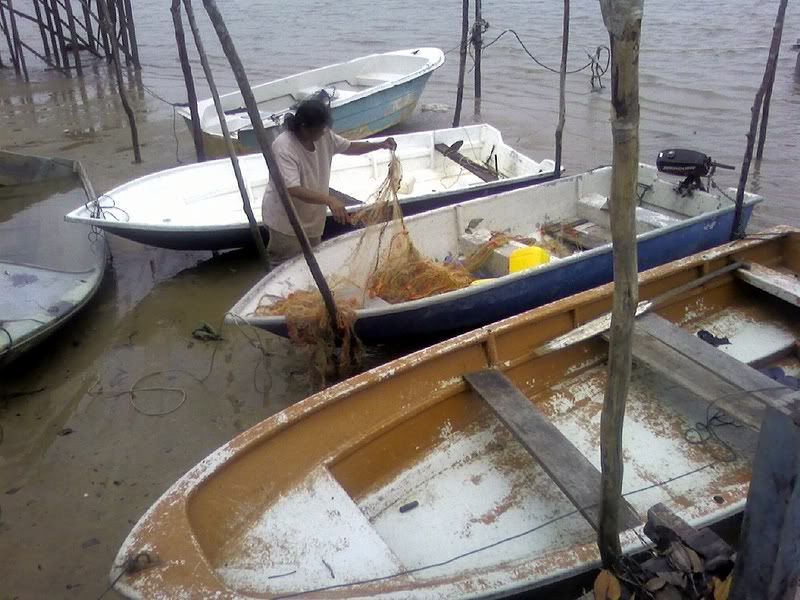
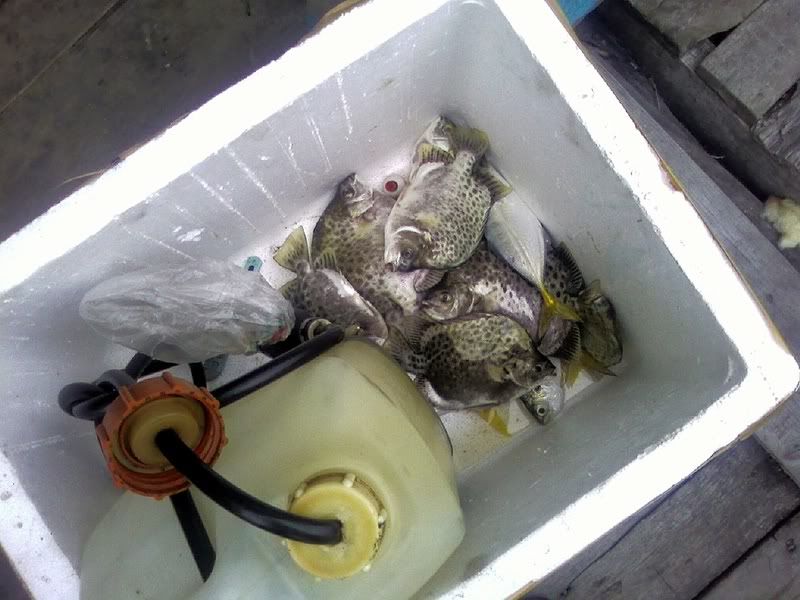
After Mr Zohari shows us what he caught today.......

The gang begin to discuss for a boat rent.......
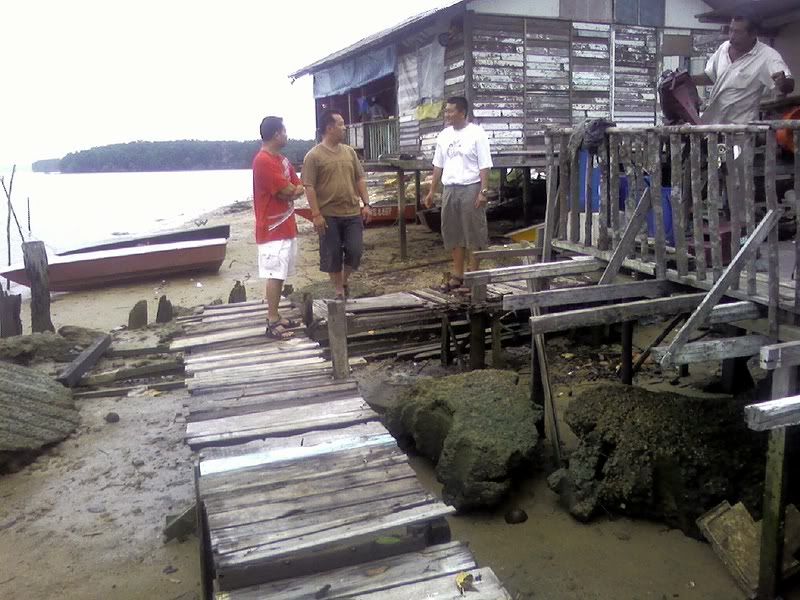
But just talk....only......because we are not preparing at all......

Then we decide to leave Mr Zohari and drive further in that we never explore before......
Just a short drive, we reach another fisherman house......(N1°35.025 E103°58.440)
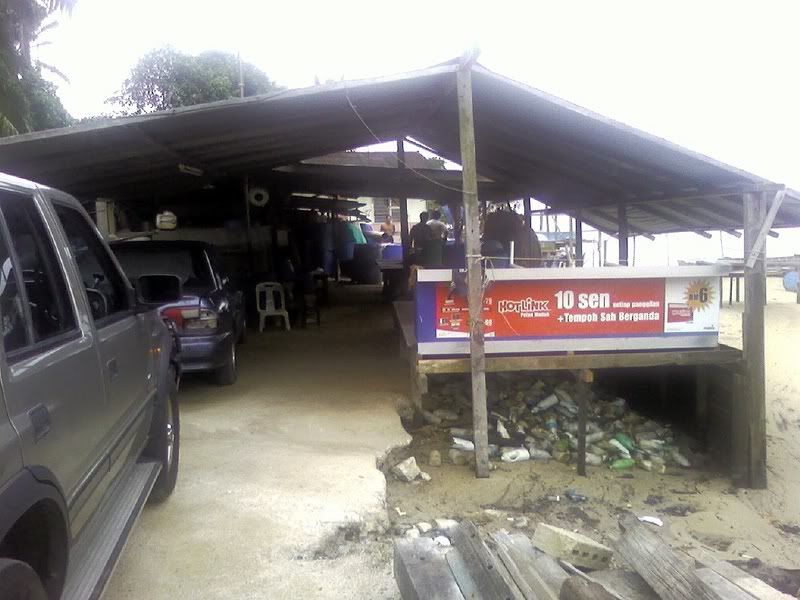
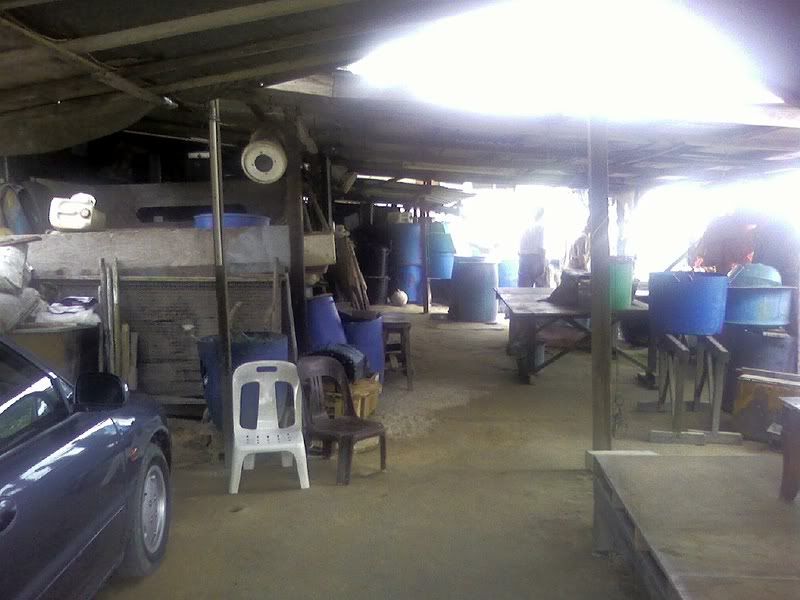
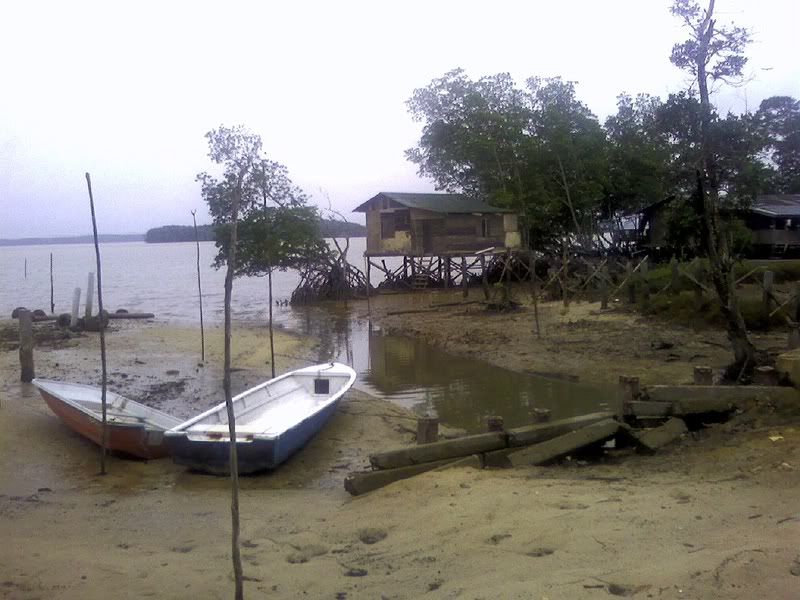
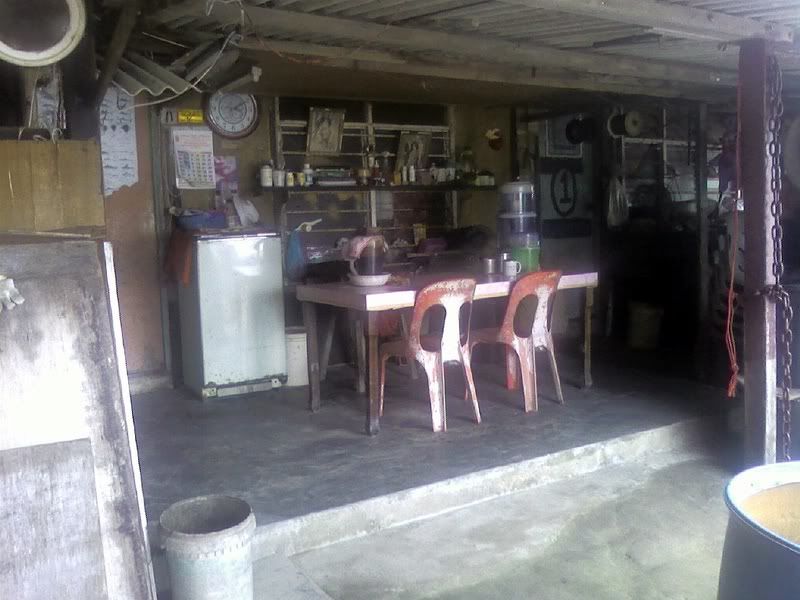

They are selling crabs here, but not today......only during June of every year.

Along the journey back, we accidentally found this small police station.....should I call station?
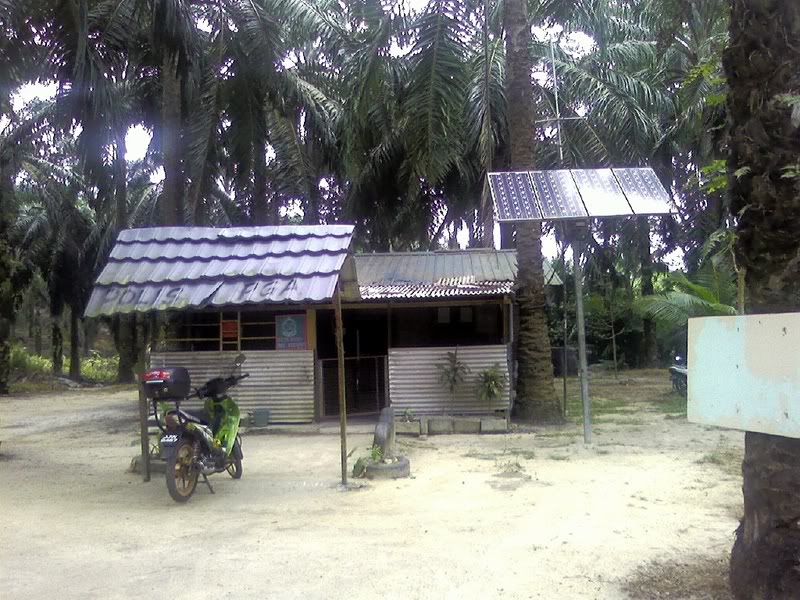

The attraction was the Solar Panel. But after chat with officer there, they are not use the Solar charge for the electrical use.....that's only for the wireless radio communication to their HQ. They still depend on generator.

Closer look on the Solar Panel.


Along our way back to JB, we almost LOST in this palm oil estate!! Four GPS users in the car but none of us bring the GPS!!

We took around 1 hour round & round in the estate, and at last we manage to get out from it!

Digg!


Saturday, March 17, 2007

GCKC6R

We were having an eyeball with Feroz, Suresh, Tango & Calyn on yesterday afternoon at Dedap.....the geocaching topic flew in suddenly. And nobody expect that Feroz & Suresh start the search immediately after the eyeball session.....


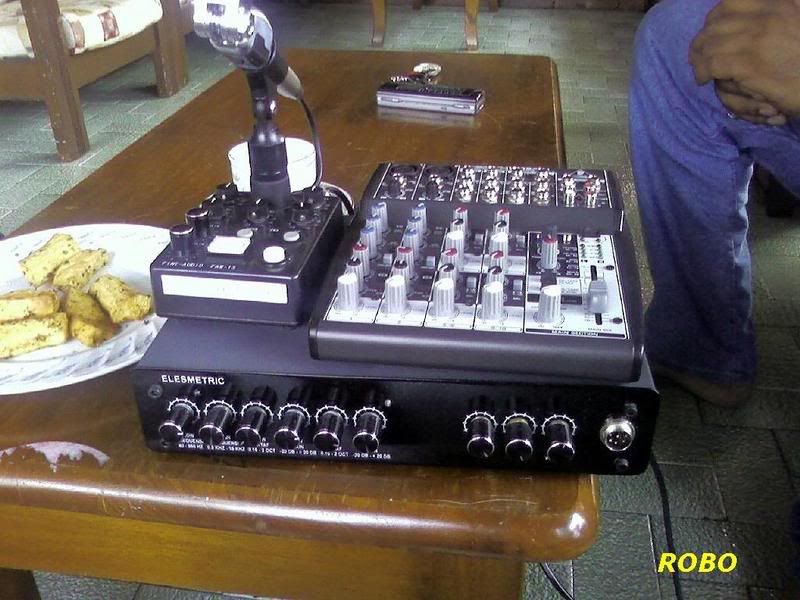
Due to this....I meet up with Feroz in this evening. Before we go for the search party, he shows me some collected gadget....

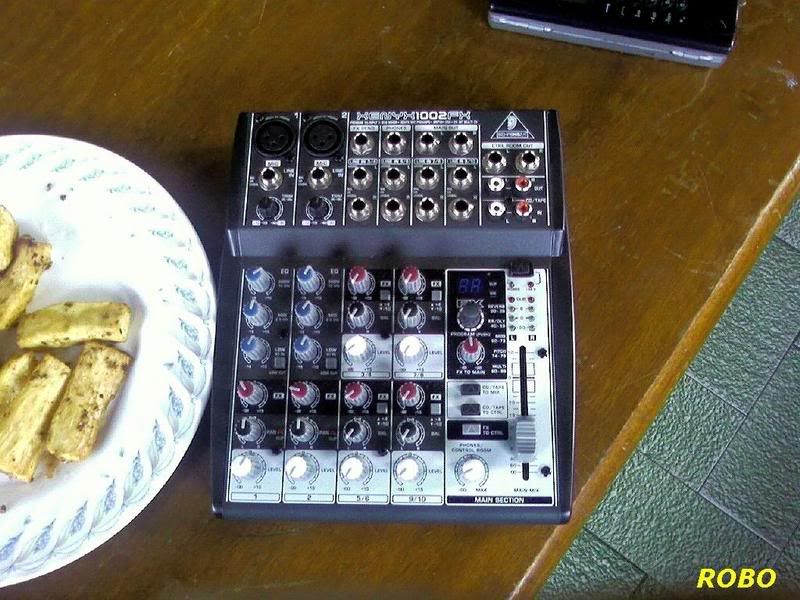
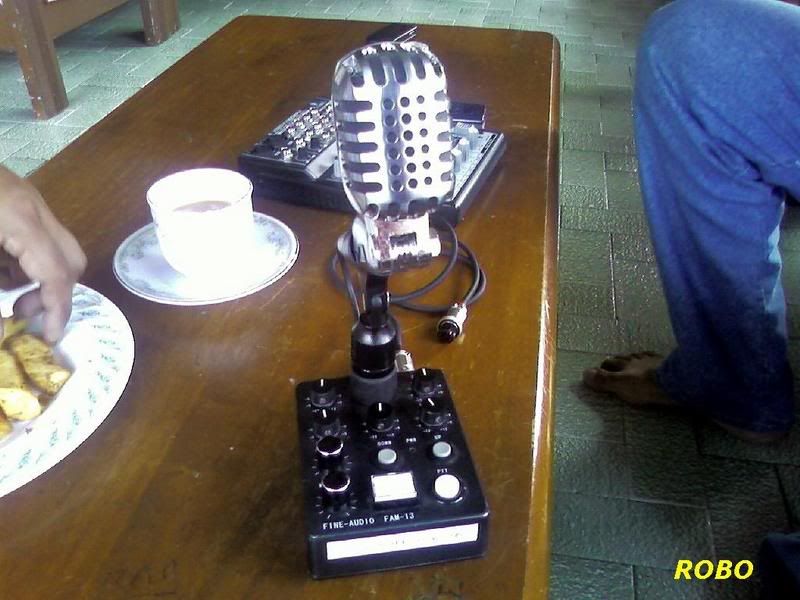
EQ for mic......Yes! HAM Radio mic.


Antique Microphone Collection (c/w EQ)


The EQ collection of Feroz


Then we set off for the Geocahce Hunt.

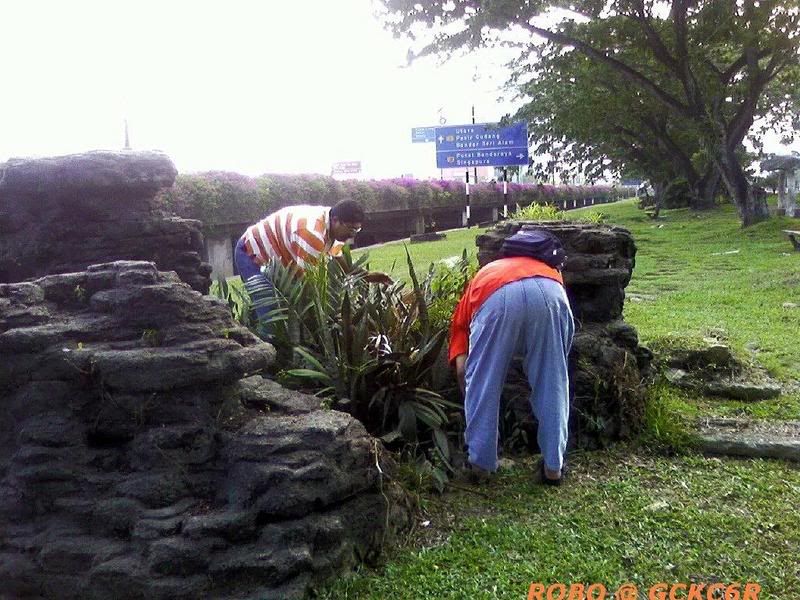
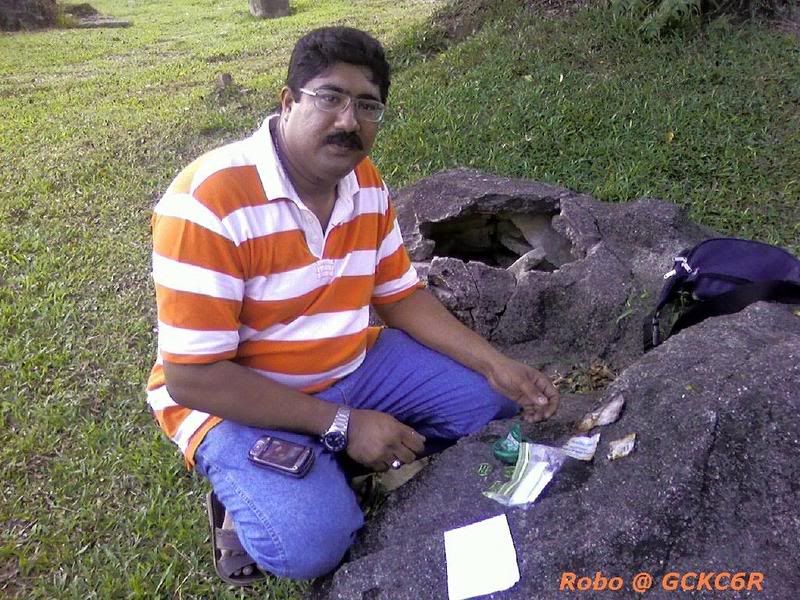
After we reached the area where the GCKC6R hidden, Feroz started his searching talent for the surrounding......


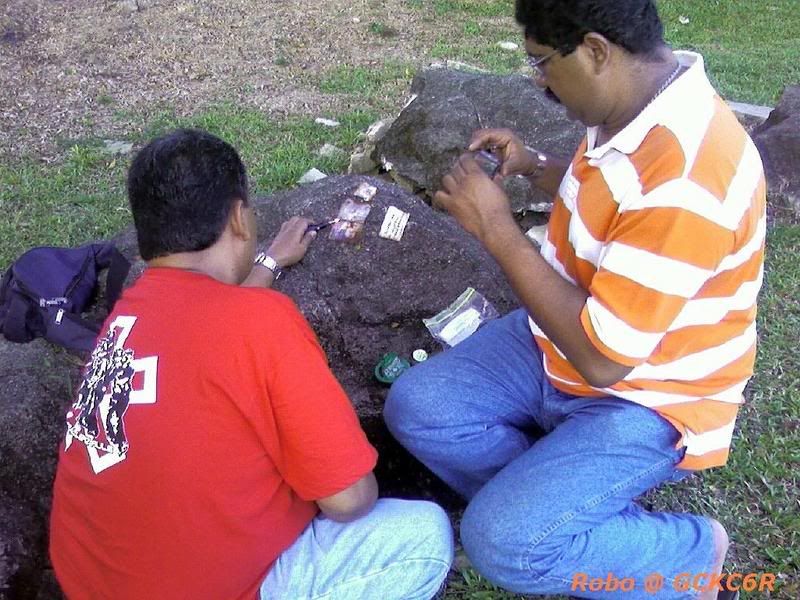
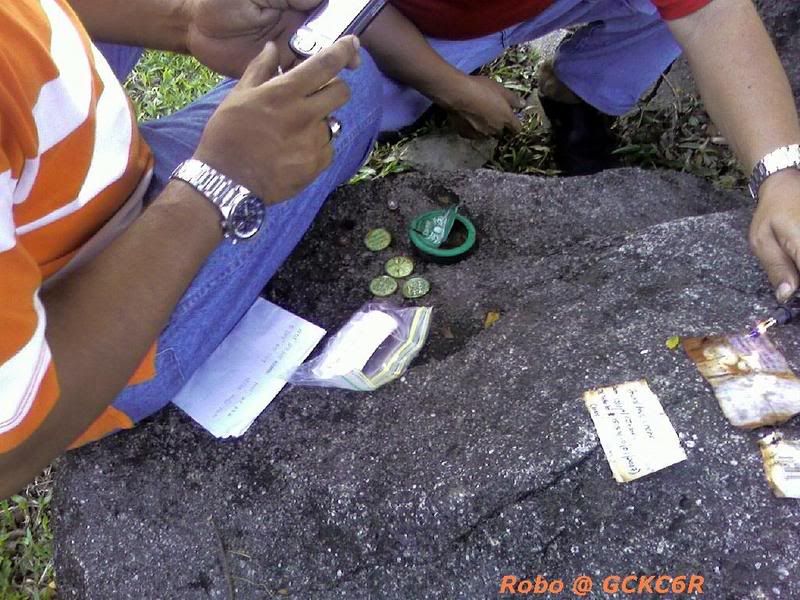
Tooks only about 15 minutes, he got the cache!


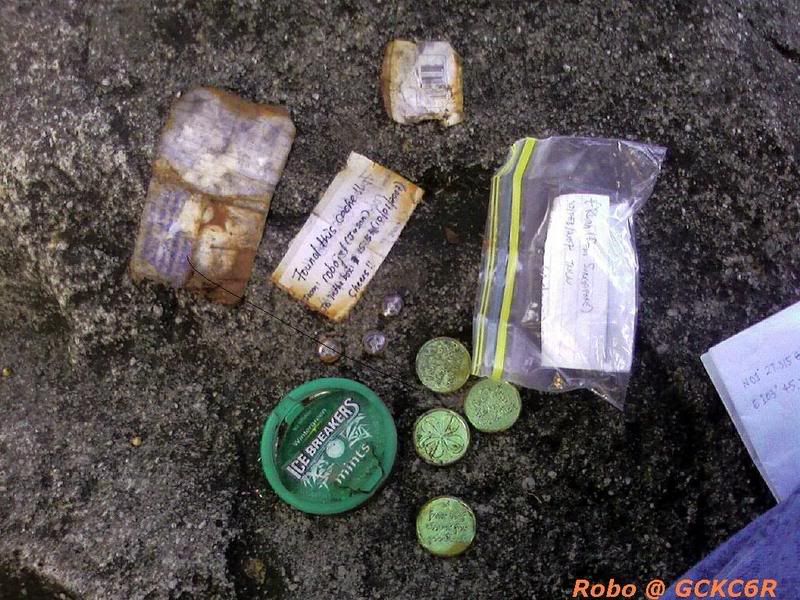
The cache was full of water and some dirt inside, then we took out everything and try to dry some logs......unfortunately some of the logs can't read anymore!


The Cache


We did our best to restore it and put in back to the safe place,

MISSION ACCOMPLISHED!!

Digg!


Wednesday, March 14, 2007

Beef Noodle at Kulai

Really miss the food recommended by Daniel Lee last Saturday.
So after everything settle for the day, just drive directly to Kulai to have the beef noodle.

Been driving & searching around......cos previously didn't bring my GPS to log the POI, so it's take time sometimes to find the place.

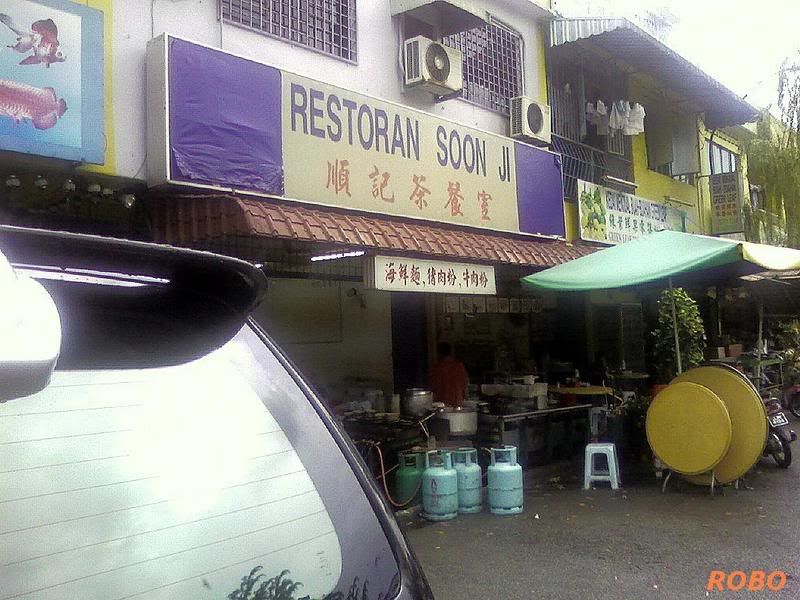
Finally, got it....located at the back roll of shop lots that face the main road.

Name : Restaurant Soon Ji (N1°39.958' E103°35.477')

Business hour : Mon-Sun, 6am to 10pm.

Food type : Beef noodle. (They serve pork and seafood too...as you can see from the pics below)

Price : RM4.00

Votes : 5/5

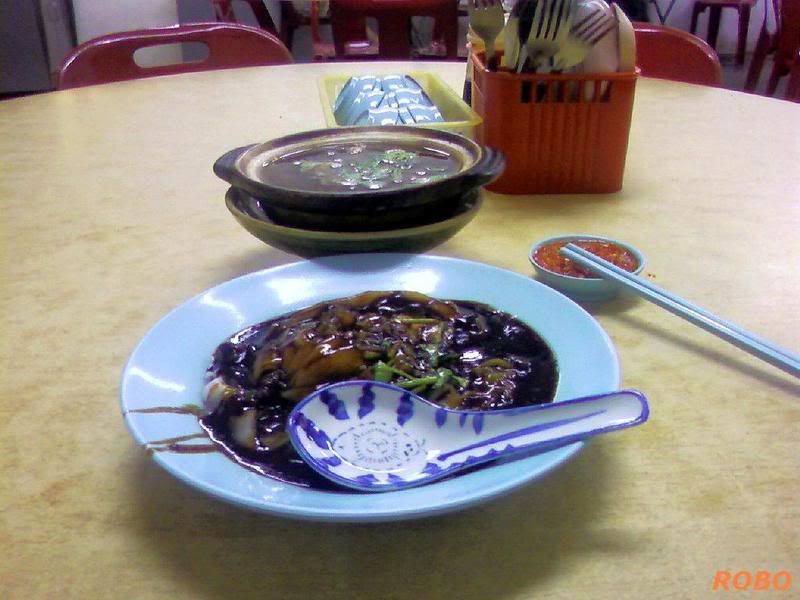
Comments : Very special, they put it separate from the noodle or kuay-tiaw, and serve it in the clay pot. It's has very tasty soup and different from normal dry type of noodle (Some type of dark sauce). As you can from the photos below.......And lastly, the homebrew chili sauce also very good!

The shop


My order........


Closer look for the claypot.....


After 15 mins........


Worth visit again......

Digg!


Monday, March 5, 2007

Matilde Talks about the Inca Trail

Good day everyone. In order to diversify some of the travel views and opinions brought forward in this blog I decided to begin posting a few travel insights and chronicles written by some professional travelers who work with me in Class Adventure Travel. For this first entry I would like to introduce Matilde Miranda. Matilde was recently promoted to Regional Manager for Peru and Bolivia in our company. After 4 short years of outstanding performance (she began as a trainee back in 2003) she will now be in charge of ensuring that all clients traveling through our company to Peru and Bolivia will be kept in the very best of hands. Matilde is incredibly dedicated, has a great work ethic and a charming personality, and will no doubt be exceptional in her new role. Matilde recently wrote about the following piece about the Inca Trail which I found it to be both informative and creative. I hope you all enjoy it and find her advice about the trail useful. – Bart!!

Matilde talks about the Inca Trail

As ancient as the mysterious ruins that lay at its end, the Inca Trail was originally created as a passage for the high priests and Inca royalty between Cusco and Machu Picchu. I suppose I was a little apprehensive and yes – slightly intrepid – upon arriving at the start of the Inca Trail for the first time. The flashy backpacks, outfits, experienced guides, and the seemingly endless mountain path that stretched out before me, all made me wonder whether I’d been foolish to think I’d be able to finish the trail. It was however exciting; and with low cloud cover and something electric in the air, we set off for what would be a four day trek to the lost citadel of Machu Picchu.

The trail begins harmlessly enough, and with high spirits you pass along the shores of the mighty Urubamba River before the rough Andean landscape slowly gives way to a progressively more jungle-like environment. Inca Ruins mark the way, and as the trail continues these ruins increase in frequency, size, and what I like to refer to as ‘jaw slackening wonder’. While a lot of bonding is done with the group both on the trail and in the campsites, I also found it to be a deeply spiritual experience where I was able to set my own pace and get in touch with myself.

It isn’t that easy either, but on the morning of the fourth day on the trail we rose early in order to arrive at Machu Picchu a little before sunrise. As an early morning bright-orange-sun rose above a misty Machu Picchu, tears quite literally filled my eyes. Neither words nor photographs will ever be able to capture the beauty of that site and the wonder of that moment. It is simply extraordinarily. And I had done it; the hard work, dirt and sweat were all worth it. I was on top of the world looking down on one of her more awesome sights. I knew then that not only was I able to complete the Inca trail, but that I would quite likely be there to complete it again soon.


Information on the Inca Trail

If you’re interested in doing the Inca trail then one should make reservations at least two months in advance as the Peruvian government only permits 500 people to head out on the trail daily. The best time to visit the area – and undertake the trail is between April and November as there is far less rain during this period. If however, you don’t mind a bit of rain and enjoy a little more solitude during your hike then you may prefer to undertake the trail outside of this period. For more information on the trail and other hikes in the area you can visit – http://www.cat-travel.com/peru_tour_inca_trail.asp.


www.cat-travel.com

http://bart-cat-travel.blogspot.com/

Saturday, February 24, 2007

Chinese New Year 2007

The New Year trip as usual........back to Bkt. Gambir, Muar on 17/02/2007. Traffic was smoothsssss.........till in-law home almost 10:30pm.

Try to trigger the both repeater : 9M2RGL & N-Link. Both working well! Because of the itchy hand & month.....try to CQ, and got some contact. 9W2MTX (Robert) is the only one I can remember now......

We were touring at Muar town on the 19/02/2007. Found out a lot of roads, streets & POIs are not in the MalSingMaps! (Did some tracking & collecting POIs)
And cos my Nikon Camera attack by some viruses, it doesn't functioning well......miss a lot of Golden Moment!!!

After boring hanging around at for 3 days.....decided drive to KL (20/02/2007) for one day before PG. NSE was JAMMED like nobody business from Melaka to Seremban cos too many cars. Took me 4 hours to reach Villa Angsana (N3°11.590' E101°41.080'), KL. (Lau Kee Sern home)

After dinner at Kah Lok Restaurant.....Kee Sern brought us to the Titiwangsa Park (N3°10.650 E101°42.269) and the main intention is the 60-meter High Structure : Ferris Wheel "Eye on Malaysia".

Too bad while reached there almost 11pm.......miss the boat!

Operating hours are 10am to 11pm Sunday to Thursday, 12 midnight Fridays, Saturdays and before public holidays. Tickets are available for RM15 Adult and RM8 Child.
42 air-conditioned gondolas, 12 minutes for one rite.


Hmm.....very difficult for us to accept the 'used' Ferris Wheel from Bangkok cost "30 million ringgit"!

KL, 21th FEB 2007
After lunch at nameless kopitiam, we suppose on the way to the north.....but Kee Sern suggest visit the AQUARIA in KLCC Suria ( N3.157389° E101.712158°). So......let's do it!
Reach KLCC around 2pm, was crowded! And find & dig the path to the Aquarium.....that was a long walkway in the Complex and connected thru a parking area then......the Aquarium. What's a coincidence that meet Alam (9W2ALM) and family at the entrance of the Aquarium, he was about to leave. This Would Ain't That Big! Huh?

The entrance fee for Adult : RM28.00 and Children : RM22.00. WAH! The aquarium is open from 11am – 8pm daily (include public holiday), with last admission at 7pm.

Some pictures below :-


The almost 6 meter tall rounded aquarium with full of fish.


It was so crowded.....!


Trying to shoot from top of the pond, suddenly.......look at the baby so excited!


The way to the Underwater World.


After the exit of the Aquarium, as usual ....... the path direct us to the Souvenirs Shop.

I LOVE TORTOISE ONLY!!


Finish the tour around 3:30pm.......
Will try the "Dive With Sharks" next visit......
Please visit the main page of AQUARIA for more events and promotions.

Nothing much after that, and prepare for the journey to PG. Depart on 4:30pm......estimate the arrival time at PG will be 11pm......

22nd FEB 2006
Penang.
Nothing much this year at PG, meet up with Alan and the gang at E-Gate Penang (beside TESCO)on 22nd FEB 2006. There were four of them from Malsingmaps.

Meet up with the HAM's fellows on 23rd FEB 2006 at Penang YMCA International House, Macalister Road.
Too bad my baby felt sleepy after reached there abt 20 minutes.......force to go back......
Not even have a good chat with all of the HAMs there.......see you guys next time!

Drive back to Johor on 24th FEB 2006 around 4pm........the traffic on the NSE was so smooth!
That's end the New Year Trip of mine! :)

Digg!


Monday, February 19, 2007

New Bridge to be Opened to Machu Picchu

Good day fellow travelers. As I am sure some of you already aware, a new bridge is about to be opened near the base of Machu Picchu. I thought I’d address this issue in my latest blog entry and ask what exactly it is this bridge will do for the region, what implications the bridge has for Peru’s most sacred site, and what can we do about it?

Sometime back I heard that the mayor (now former mayor) of Santa Teresa – a small town less than a stone’s throw away from Machu Picchu – was planning to have a bridge built crossing the Vilcanota River. This bridge will be inaugurated in February. As I began to wonder about the implications this bridge might have on Machu Picchu and tourism in the region, a storm of arguments arose in the international media regarding the issue. On the one hand people argue that the bridge has the potential of so over-crowding Machu Picchu with tourists that both the hallowed ruins and regional ecology will be destroyed; on the other hand people are arguing that the residents of Santa Teresa – long cut off from the rest of the world – deserve a bridge with which they can more easily reach Cusco and make a living. In Peru the dispute over the bridge is very heated, and so with this blog entry I thought I’d attempt to tackle the problem in order to hopefully shed more light on it for those of you who are interested.

Traditionally there has only been one way to reach Machu Picchu, that being by taking the train from Cusco to Aguas Calientes, the town closest to Machu Picchu. In reality there is another way – through Santa Teresa – but in order to get there one has to travel over a network of very nasty roads. The 20 or so hour drive from Cusco to Santa Teresa leads through jungle swamps and over cliff faces with drops so unimaginably high that sky diving aerialists would shudder in fear. This route has been the only road the residents of Santa Teresa have been able to use to take their produce to Cusco. One does however need to take into account the wider repercussions the bridge could have on the ruins, the region, and even the country as a whole.

The base concern presented against building the bridge is that it will bring in such an influx of tourists that both the ruins and ecology of the region could be badly damaged. Remember that one of the major sources of Peruvian income is tourism, and a that the major source of Peruvian tourism is Machu Picchu.

The price of crossing this bridge on a bus from Cusco is estimated to cost somewhere in the region of four US dollars. Anyone who has ever been to Machu Picchu will know how much of a price cut this is on the train ticket. The amount of people traveling to the ruins is estimated to shoot through the roof with figures this low. The development of a new tourist infrastructure needed to cope with such an influx of tourists in the area would of course also be hugely detrimental for the ecology of the surrounding area, as well as for the ruins themselves. And so understandably many environmentalists/cultural activists are calling for the bridge to be closed – perhaps even destroyed.

Machu Picchu currently receives over 4000 tourists a day, that’s just shy of 1,500 000 tourists a year. It is hardly a wonder that UNESCO is currently in the process of changing their classification of Machu Picchu to an Endangered World Heritage site. The UN group is in fact at the moment engaged in talks with the government that would have them drop the number of tourists permitted to enter the site from 4,000 to 2,500. If anything this shows how dire the problem already is. With the new bridge however, the number of visitors could likely so overly surpass the current levels of tourists visiting Machu Picchu that the ruins may quite likely disappear, making the many efforts that people have made towards their preservation futile.

Another argument against the construction of the bridge is that it provides a much shorter route for local Coca Farmers to transport both coca paste and cocaine to urban areas, from where it is transported and shipped overseas. Still, some people argue that a more accessible road to open up this region would hardly make the transport of drugs easier, but would more likely make it harder as police and military would be able to make their presence more felt in the area.

And so this is how it stands. On the one hand we have a national treasure that is under threat, and on the other we have a group of people who are effectively being denied the right to an easier way of life. It’s a tough argument and both sides have their points. I would of course choose to preserve Machu Picchu at all costs, but there’s also the real need of a community trying to develop itself in order to better the lifestyle of its people. So I guess a compromise between the two arguments would be the best result of this dilemma – a compromise I have heard a few people talking about already.

One feasible solution would be to open the bridge and disallow tourists the right to cross it. This would benefit both the people of Santa Teresa and the majestic ruins themselves. This approach would however also deny those who would be otherwise unable to afford getting to the ruins a chance to see them.

Obviously losing Machu Picchu is a nightmare Peru will never actually allow – the country relies too much upon it economically. What is worrying however, is how long it will take to put the effective wheels into place that will advert this tragedy. If it takes too long, how much of an impact will have already been made?

It is a complex situation with many differing arguments and points of view. Please take my points of view and opinions as they are – a means with which to more clearly envision the depth of what could be a difficult situation for Peruvians and travelers alike. For those interested in finding out more I suggest you look into the following websites:

I hope that some of you may have found this helpful and interesting. If anyone out there has a point of view regarding the situation please feel free to post a comment and we can further discuss it.

To all you travelers out there – Keep on discovering!

Bart

www.cat-travel.com